Amir Koch · 2 September 2026
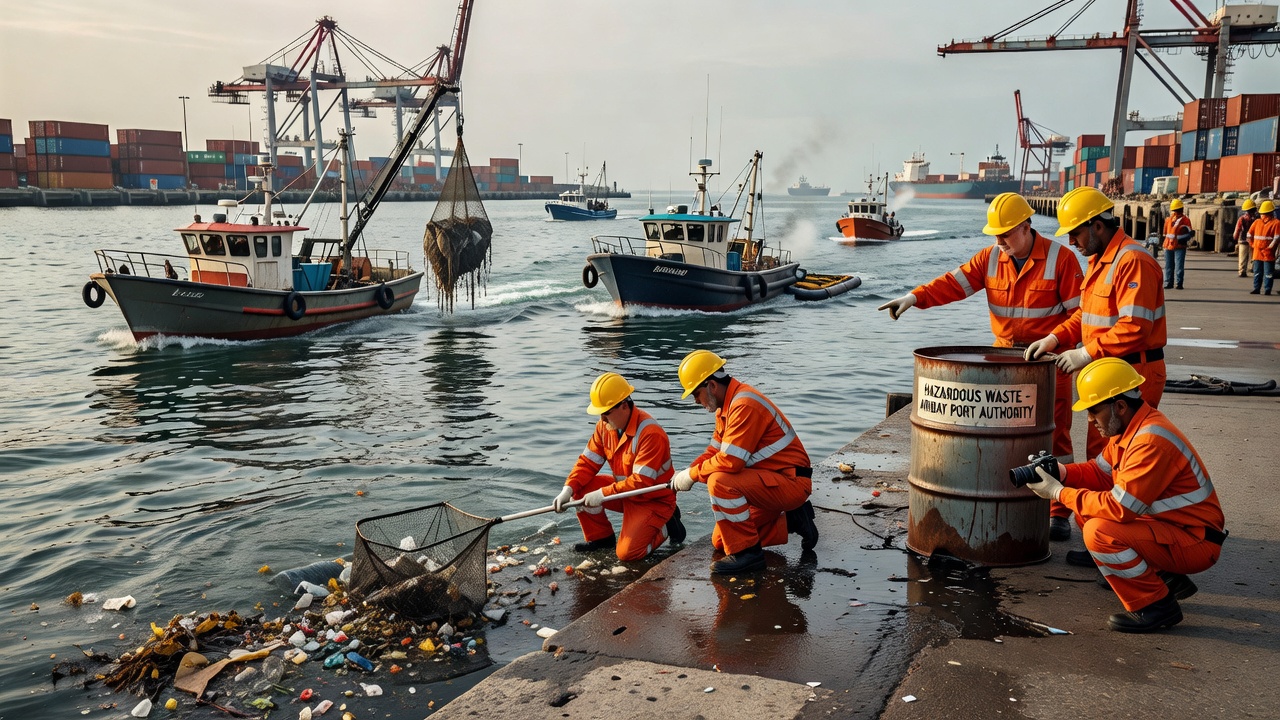
The environmental cleanup targeting pollution in Ariabay harbor has officially commenced, marking a significant step towards restoring the local marine ecosystem. Officials report that the harbor has accumulated substantial amounts of debris, chemicals, and other contaminants over the past decades, primarily from nearby factories and shipping activities. The initiative is expected to span several months and will employ advanced technologies to remove pollutants efficiently. Local residents have expressed support for the project, noting the impact on fishing and tourism industries that rely on clean waters. Monitoring stations have been set up to track progress and water quality improvements. Scientists have conducted extensive surveys to identify the main sources of pollution, including heavy metals and microplastics that pose risks to aquatic life and human health.
Methods and Technologies Employed
The cleanup operation utilizes a combination of mechanical dredging, oil skimming devices, and bioremediation techniques to break down organic pollutants. Teams are working around the clock to collect floating plastics and submerged waste. Partnerships with research institutions have provided data-driven approaches to prioritize areas with the highest contamination levels. Volunteers are also participating in beach and shoreline cleanups to complement the harbor efforts. Funding for the project comes from a mix of federal grants, local taxes, and private donations from environmental foundations. Safety protocols are in place to protect workers from hazardous materials. Equipment includes specialized vessels designed for minimal disruption to ongoing harbor traffic while maximizing removal efficiency.
Expected Benefits for the Community
Upon completion, the cleanup is anticipated to boost biodiversity in the harbor, improve water clarity, and enhance recreational opportunities for residents and visitors. Economic benefits are projected through increased tourism and healthier fish populations for local fisheries. Officials emphasize the importance of ongoing maintenance to prevent future pollution accumulation. Educational programs are being developed to raise awareness about environmental stewardship among the public. Regular updates will be provided to the community through public meetings and online reports to ensure transparency throughout the process. Long-term monitoring will assess the recovery of native species and overall ecosystem health following the intervention.